

It is important for you as a business to tally your trial balance sheet. This means that both the debit and the credit journal entries for each of your financial transactions have been recorded correctly. However, the balancing of your trial balance does not imply that your accounting records are accurate. The adjusted trial balance comes after recording all necessary adjustments, such as accrued expenses and depreciation.
Audit Preparedness

It provides accurate financial information that is used to prepare financial statements. The accuracy of the trial balance is critical in making informed decisions by creditors, stockholders, and outside professionals. Therefore, it is essential to ensure that the trial balance is prepared accurately following the US GAAP or IFRS guidelines. Trial balance plays a key role in the company’s financial department, it reports on ending & debit & credit balances in every account at the terminating reporting time. This report acts as a history of financial statements of your company and assists you in proper accounts management. For instance, you may record an equal debit and credit of an incorrect amount.

Step 2: Record closing entries
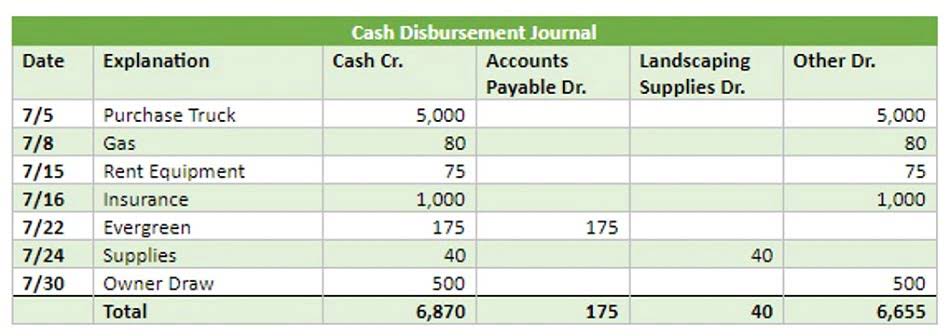
When all accounts have been recorded, total each column and double-check that the columns match. It is a statement that lists all the ledger accounts and their balances to ensure that the debits and credits are equal. This statement is used to prepare accurate financial statements that are used to make informed decisions by creditors, stockholders, and outside professionals. After the closing entries have been made, the company prepares a post-closing trial balance to ensure that the accounts are in balance and that all temporary accounts have been closed. The post-closing trial balance includes only permanent accounts, virtual accountant which are accounts that are not closed at the end of the accounting period.
Watson Electronics Ledger Accounts
A business must monitor its finances and keep track of debits and credits in order to be successful. A post-closing trial balance is one of many financial statements and sheets that online bookkeeping a financial professional will prepare for the company. In this article, we will discuss a post-closing trial balance, its importance, as well as how to prepare it. We’ll also compare the post-closing trial balance vs the adjusted trial balance using an example. Understanding the importance of trial balance in financial statements is crucial for any business owner or accountant.
The post-closing trial balance serves as a foundation for the preparation of the next period’s financial statements. It ensures that only the permanent accounts, which carry forward their balances, are included in the new period. The post-closing trial balance contains all accounts that are currently recorded in the general ledger. The balances for each account are added together to show that the debit and credit balance is equal. The original trial balance contains recorded transactions in accounts as they take place.
- This trial balance ensures that all temporary accounts have been closed properly and that only permanent accounts remain with balances.
- At the end of a period, revenue, and expense ledger accounts are removed and closed.
- Any discrepancies at this stage can indicate errors that need to be corrected before proceeding.
- In accounting, the post-closing trial balance plays a critical role in ensuring the accuracy and completeness of financial records at the end of an accounting cycle.
- Ending the cycle with a post-closing trial balance shows the earnings retention ratio clearly.
- Posting accounts to the post closing trial balance follows the exact same procedures as preparing the other trial balances.
- Thus, we can say that the error of commission is clerical in nature.
Why is the post-closing trial balance important in the accounting cycle?
Errors in closing entries can cause compliance issues and potential penalties. At the end of the day, the post-closing trial balance proves a company’s financial steadiness. It helps with making decisions inside the company and in dealing with investors. This document meets SEC rules and is clear about a company’s a post-closing trial balance reports: financial health.
0 Comments for “Post-Closing Trial Balance: Definition, Purpose, and Preparation”